
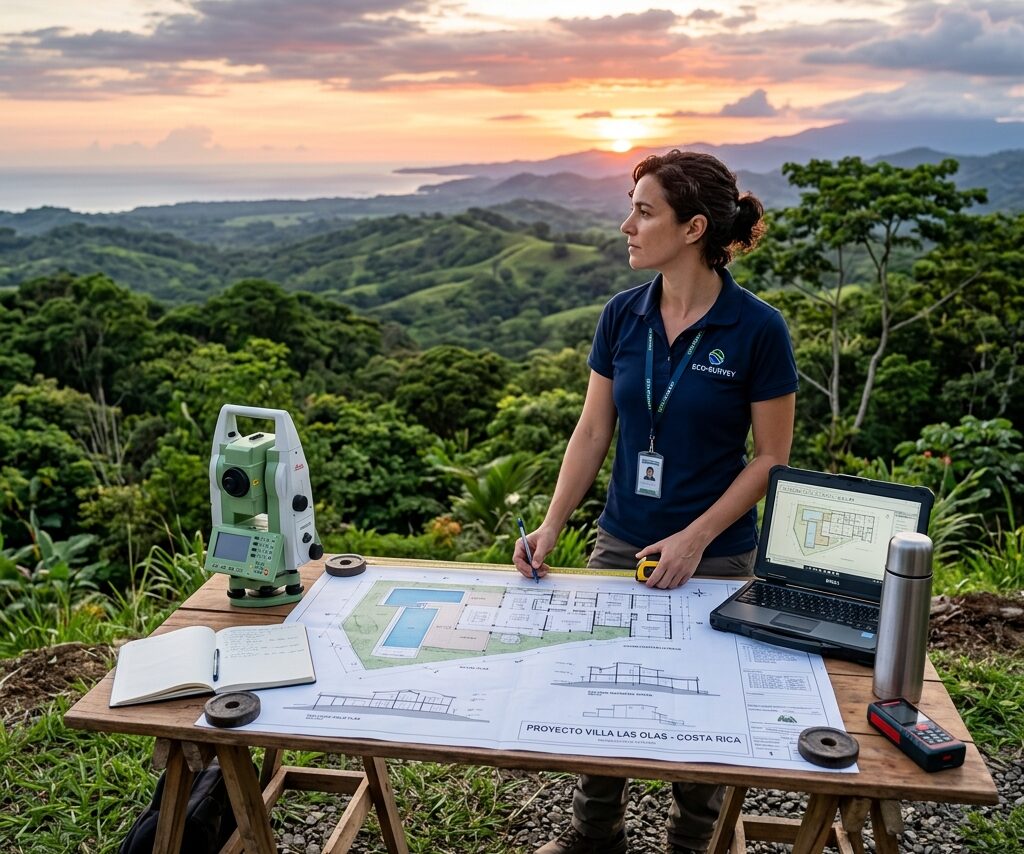

I recently stopped a client from closing on what looked like the perfect ocean-view lot in Nosara. The seller was highly motivated, the price was right, and the sunset views were spectacular. But when we initiated our mandatory legal and technical due diligence, we discovered a fatal flaw: the property did not have an official water letter from the local ASADA.
The seller promised “water was coming next year.” I told my client to walk away immediately. Without an official water letter, the municipality will not issue a building permit. Buying that lot would have meant parking $300,000 in raw dirt that legally couldn’t hold a structure.
When you are buying land in Costa Rica, a handshake and a visual inspection are not enough. The country is heavily regulated regarding environmental protection and zoning. The due diligence process is the only thing standing between a highly profitable investment and a completely illiquid liability.
The Reality Check: A standard due diligence period for buying land in Costa Rica lasts between 15 to 30 days. During this time, your attorney and technical team must verify clear title in the National Registry, confirm no overlapping boundaries (catastro), and secure an official “Carta de Disponibilidad de Agua” (Water Availability Letter). Without proving legal access to water, municipal building permits are impossible to obtain.
The Golden Rule: No Water Letter, No Deal
The single biggest friction point when buying ocean view lots in Guanacaste is water.
Costa Rica manages its water through the national utility (AyA) and rural, community-managed water boards called ASADAs. Because of the explosive growth in areas like Tamarindo, Flamingo, and Nosara, many ASADAs are currently at capacity.
If you are buying a lot to build a home, you must require the seller to provide a formal, unexpired Water Availability Letter (Carta de Agua) before your due diligence period expires. If a seller tells you “there is a well down the road” or “the pipes are right there,” it means absolutely nothing legally. If the ASADA doesn’t stamp the letter, you cannot build.
The Title Search and the National Registry
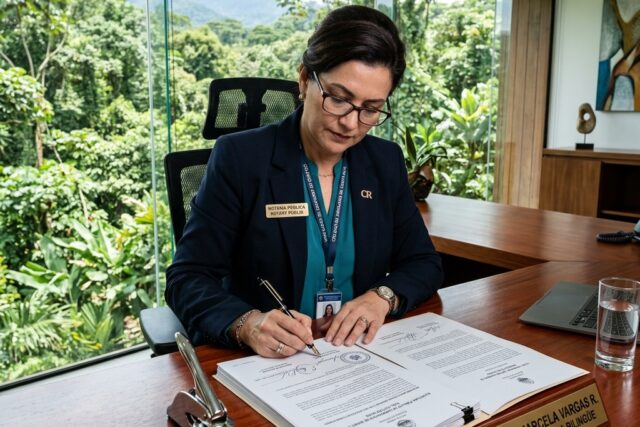
While you are verifying the water, your real estate attorney will be scrutinizing the legal history of the dirt. Costa Rica operates a highly transparent, centralized National Registry (Registro Nacional).
Your attorney will pull the Folio Real (the property’s unique ID) to verify:
* Clear Title: Ensuring the person selling the property actually owns it.
* Liens and Encumbrances (Anotaciones y Gravámenes): Checking for mortgages, pending lawsuits, or tax debts attached to the property.
* Cadastral Plan (Plano Catastrado): Comparing the registered map of the property against the physical boundaries to ensure no neighbors have encroached on the land.
Soil Tests, Topography, and SETENA Approvals
If you are buying raw land—especially on a hillside in Guanacaste—legal due diligence is only half the battle. You must conduct technical due diligence.
We highly recommend bringing in an engineer during the 30-day inspection window to conduct:
* Topography Studies: If the slope of the land exceeds certain municipal regulations, you may be severely restricted on the footprint of your home.
* Soil Tests: If the land is entirely rock, your excavation costs will destroy your construction budget. If it is loose clay, your foundation engineering costs will double.
* Environmental Checks (SETENA): If the lot borders a national park, a river, or is heavily forested, you may need clearance from the environmental agency (SETENA) before cutting a single tree.
Structuring Your “Promesa de Compraventa” for Protection
How do you protect your money while doing all this research? You structure an airtight Promesa de Compraventa (Purchase and Sale Agreement).
A proper SPA should place your earnest money deposit securely in a SUGEF-regulated escrow account. The contract must explicitly state that the deposit is 100% fully refundable if the property fails any aspect of the legal, technical, or water due diligence within the specified timeframe.
The Bottom Line
Skipping a $2,000 technical and legal due diligence process to save time is the fastest way to lose a massive amount of capital. Never assume you can build just because the lot looks clear.
I don’t let my clients buy dirt unless we know exactly what can be built on it, how much it will cost to build, and that the legal title is flawless. Let’s do this the right way.
📩 josh@kraincostarica.com
Frequently Asked Questions
What is the due diligence period when buying land in Costa Rica?
The due diligence period typically ranges from 15 to 30 days after the signing of the Purchase Agreement. During this time, the buyer’s attorney investigates the title, checks for liens, verifies the property boundaries, and ensures essential services like water and electricity are legally available.
Do I need a water letter to build a house in Costa Rica?
Yes. An official Water Availability Letter (Carta de Disponibilidad de Agua) issued by the local ASADA or the national utility (AyA) is legally required by the municipality before they will issue any residential or commercial building permits.
How do I check a property title in Costa Rica?
Property titles are public record and can be checked online through the Costa Rican National Registry (Registro Nacional). However, it is highly advised to hire a bilingual Notary Public/Real Estate Attorney to perform a comprehensive title search to identify any hidden liens, easements, or legal annotations.
Leave a Reply