
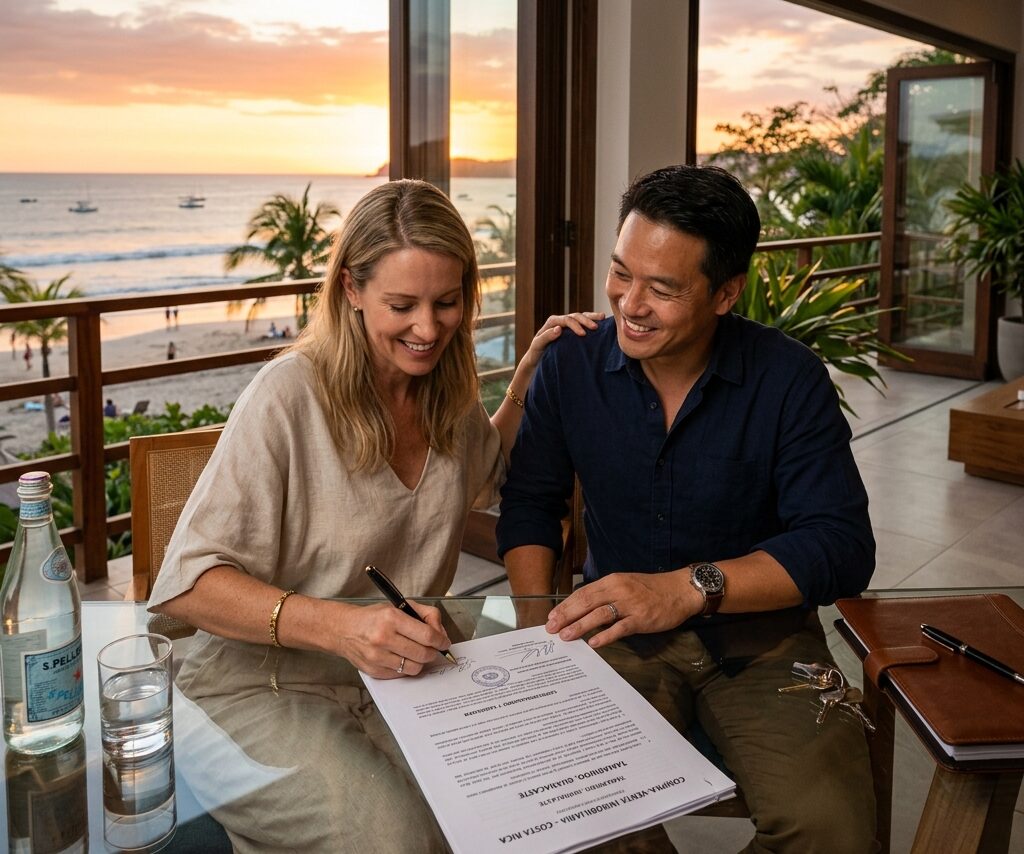

Tamarindo is the epicenter of Guanacaste’s real estate boom. The market is mature, the demand is explosive, and the ROI on short-term rentals is among the highest in the country. Naturally, this lucrative environment attracts highly professional developers—and it also attracts charlatans.
Every year, I hear horror stories from buyers who thought they were getting a “steal” on a pre-construction condo. They wired $100,000 directly to a builder’s personal bank account based on a flashy Instagram rendering, only to visit the site a year later to find a dirt lot and a disconnected phone number.
Investing in Tamarindo homes is incredibly safe, provided you follow strict, unyielding protocols. If you bypass these protocols because you feel a false sense of “Pura Vida” trust, you will get burned.
The Reality Check: The most common real estate scams in Costa Rica involve “phantom” pre-construction projects where buyers wire cash upfront directly to unverified developers instead of using a regulated escrow account. The only way to guarantee safety is to utilize SUGEF-regulated escrow services, demand milestone payments tied to actual construction progress, and have a bilingual Notary Public verify the developer’s legal standing in the National Registry.
The Pre-Construction Trap: Milestone Payments vs. Upfront Cash
The vast majority of real estate fraud happens in the pre-construction sector. A “developer” buys a piece of land, creates beautiful 3D renderings, and starts selling units at a discount to fund the actual construction.
Never fund a developer’s learning curve.
If you are buying pre-construction, your money should go into a third-party escrow account. The funds should only be released to the developer in strict “Milestone Payments” (e.g., 20% when the foundation is poured, 20% when the walls go up, 20% when the roof is on). An independent inspector should verify each milestone before the escrow agent wires a single dollar. If a developer demands 50% cash upfront directly to their account, walk away.
Phantom Listings and the Danger of an Unregulated Market
Costa Rica does not have a centralized, government-regulated MLS (Multiple Listing Service), nor does it require a state license to be a real estate agent.
This means anyone with a smartphone can call themselves a broker. Scammers often post “Phantom Listings”—properties they don’t actually have the right to sell, priced significantly below market value to trigger FOMO (Fear Of Missing Out). They will ask for a “good faith deposit” to hold the property. Once you wire the money, they vanish.
Always use an established brokerage and demand to see the Folio Real (the property’s ID number). Your attorney can pull the National Registry in two minutes to verify who actually owns the property.
Verifying the Builder’s Track Record (Beyond Instagram)
Anybody can buy fake followers and post stunning architectural renders. Before you invest a dime in new construction in Costa Rica, you must verify the builder’s track record physically.
Ask to see their last three completed projects. Walk through the units. Look at the quality of the finishings after two years of tropical weather. Talk to the HOA president of their previous buildings. If a developer has no local track record and gets defensive when you ask for references, they are using your money as venture capital.
Your First Line of Defense: The National Registry
The greatest weapon you have against scams in Costa Rica is the National Registry. The system is entirely transparent. Your attorney can verify instantly if a property has liens, if it is in a trust, or if the person claiming to be the owner actually has the legal right to sell it.
Do not trust a seller’s paperwork. Always have your own independent attorney run a fresh title search.
The Bottom Line
You do not have to be a victim. Scams in Costa Rica are highly preventable if you strip emotion out of the equation and rely entirely on regulated escrow, milestone funding, and the National Registry.
I know exactly which developers have a proven track record here, and which ones to avoid. Don’t risk your capital blindly—let’s talk.
📩 josh@kraincostarica.com
Frequently Asked Questions
Is it safe to invest in Tamarindo real estate?
Yes, Tamarindo is one of the most secure and liquid real estate markets in Central America, provided you use an established broker, an independent attorney, and a SUGEF-regulated escrow company for all financial transactions.
What are common real estate scams in Costa Rica?
The most common scams include selling “rights” (derechos) instead of titled property, phantom pre-construction projects that never break ground, and unlicensed “agents” soliciting direct deposits for properties they do not have the legal authority to sell.
How do I verify a real estate developer in Costa Rica?
You should have a Notary Public check their corporate standing in the National Registry, verify that they own the land they are building on, and physically inspect at least two of their previously completed projects in the country.

Leave a Reply